Campers
LPG and butane units in campervans; compact butane and twig stoves at the campsite.
A portable stove for campers, trekkers and short trips, built around wind resistance, packability and stability on uneven ground.
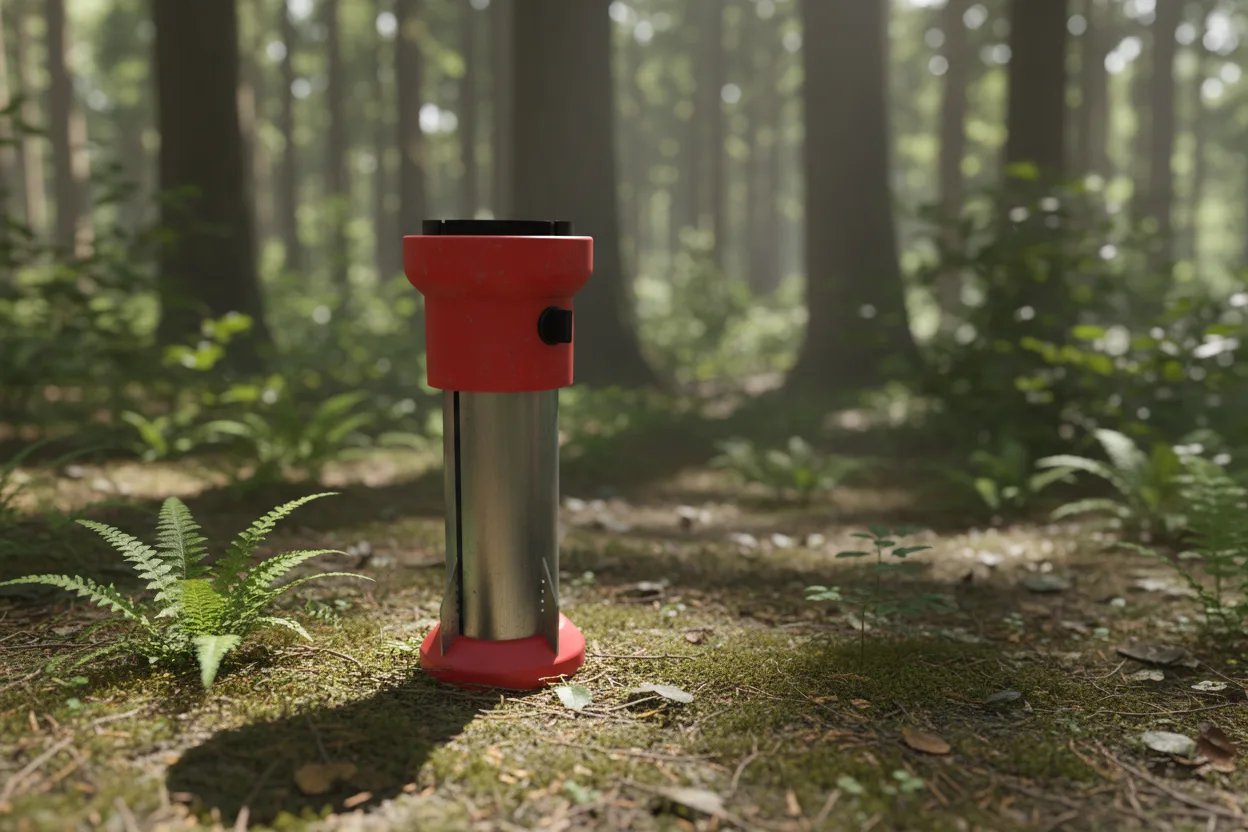
The brief started with campers. Research widened it to everyone who cooks away from home for a night or two.
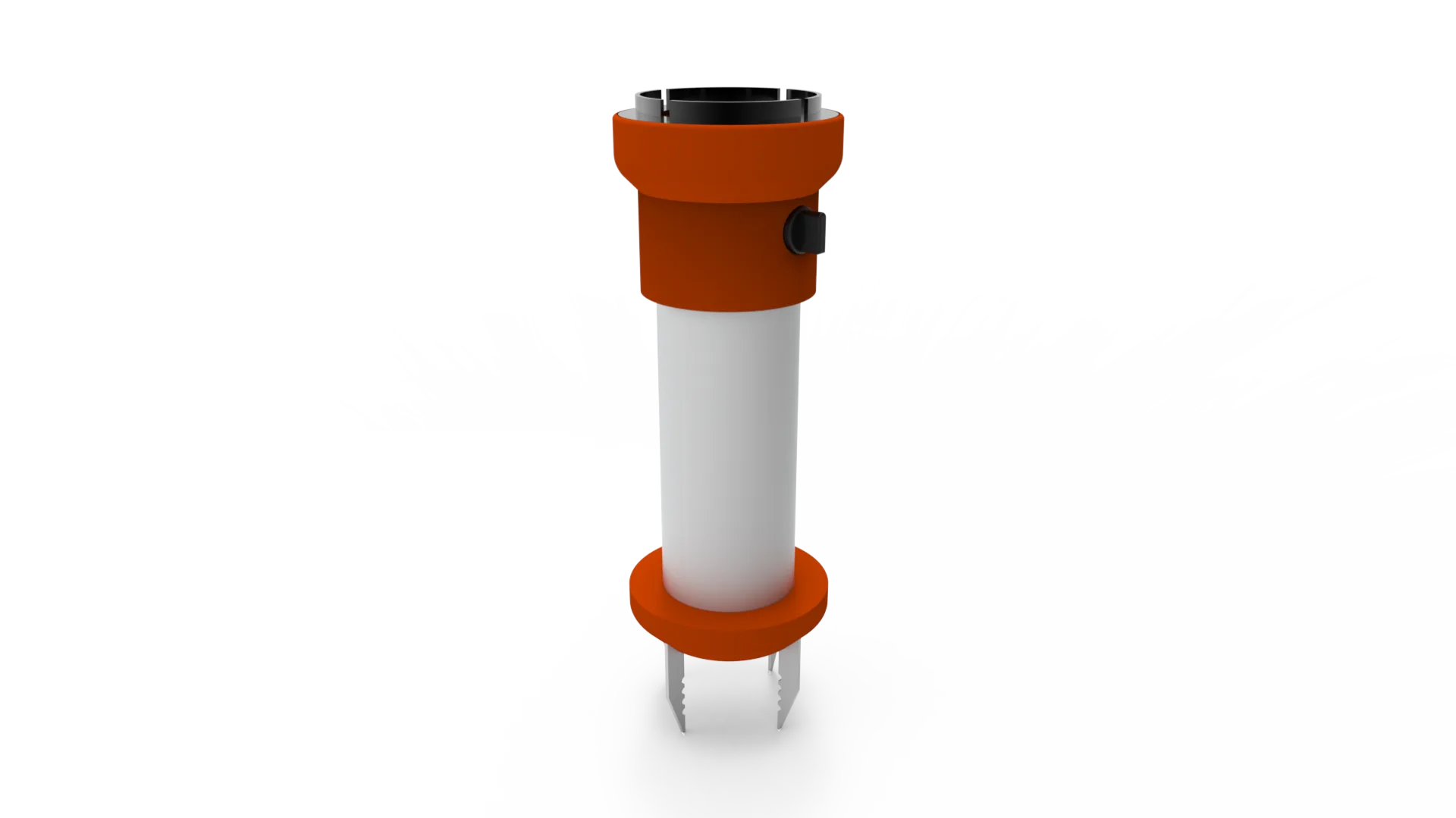
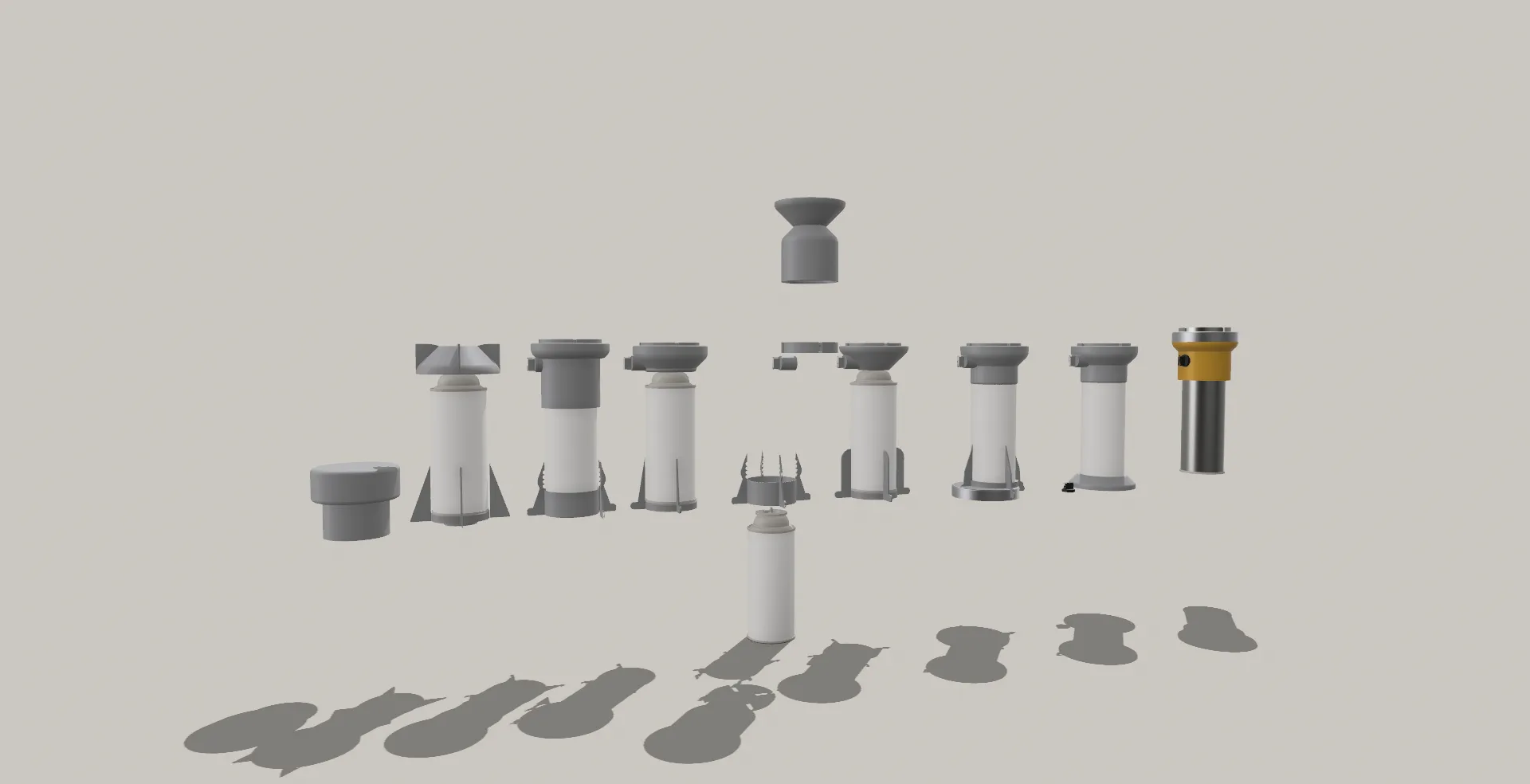
The real CAD model. Drag to rotate, switch between sketch and render, drop the spikes for soft ground, or explode it to see how the parts stack.
Four fuel types, timed on boiling one litre of water.
LPG and butane units in campervans; compact butane and twig stoves at the campsite.
Mostly twig stoves, switching to a compact portable stove on multi-day treks.
A compact butane stove, mainly for tea, coffee and Maggi.
Commercial LPG cylinders with a burner that takes weight, cooking a full day of meals at once.
A pocket-sized hexamine box for quick fire.
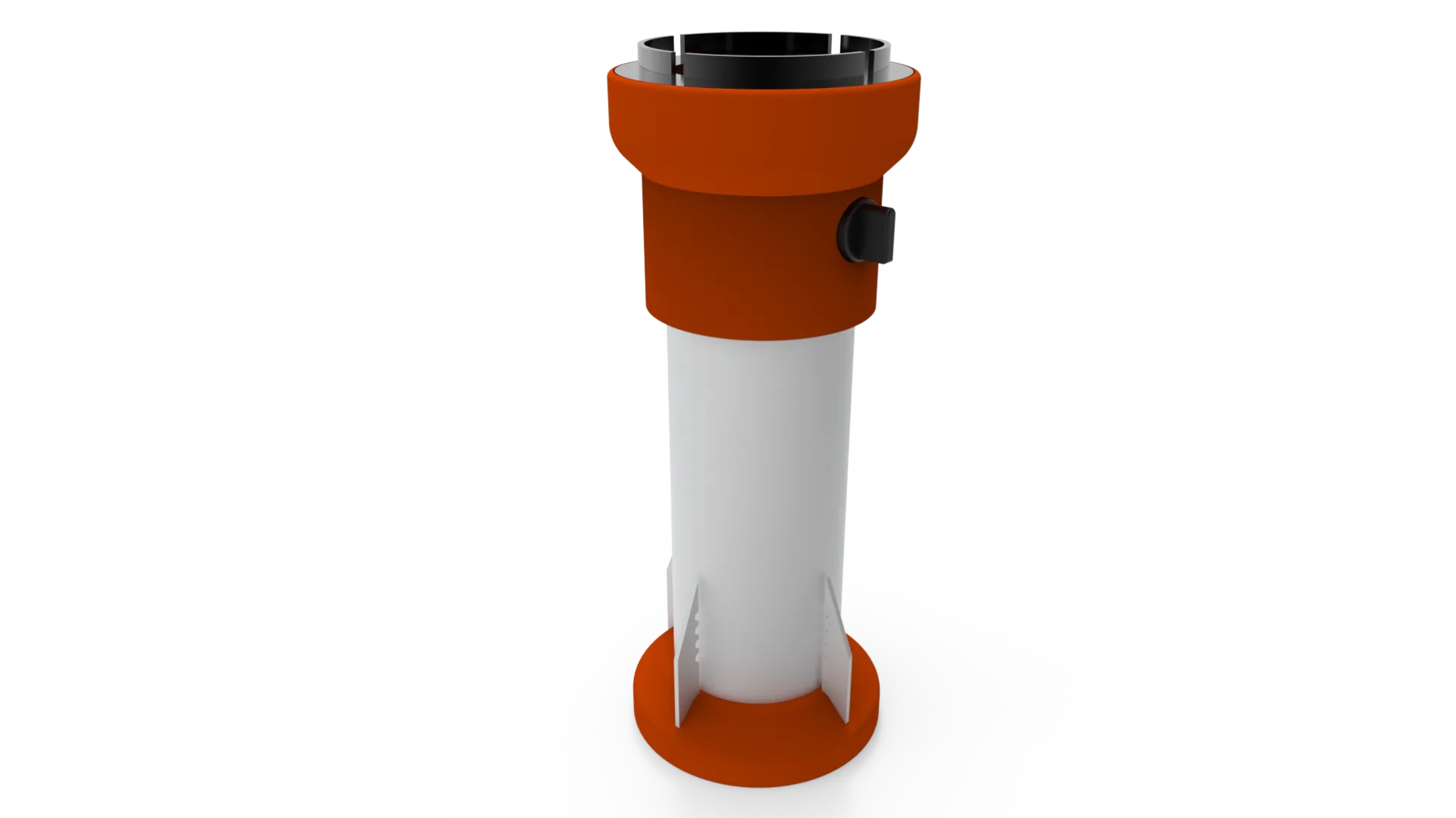
Stability on uneven ground was a must-have. The base answers both kinds of campsite.
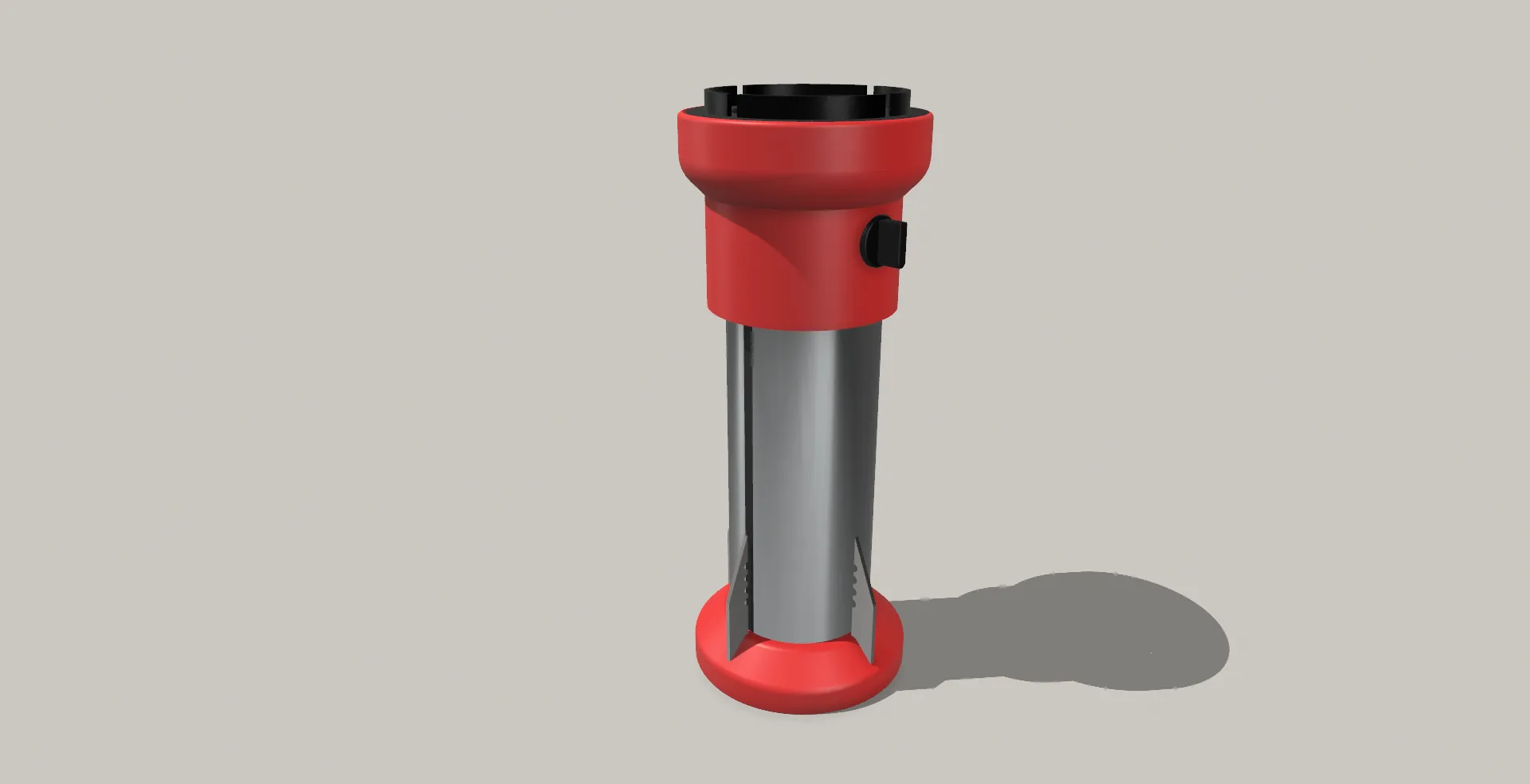
Flat ground: the spikes stay folded up along the body and the stove stands on its base.
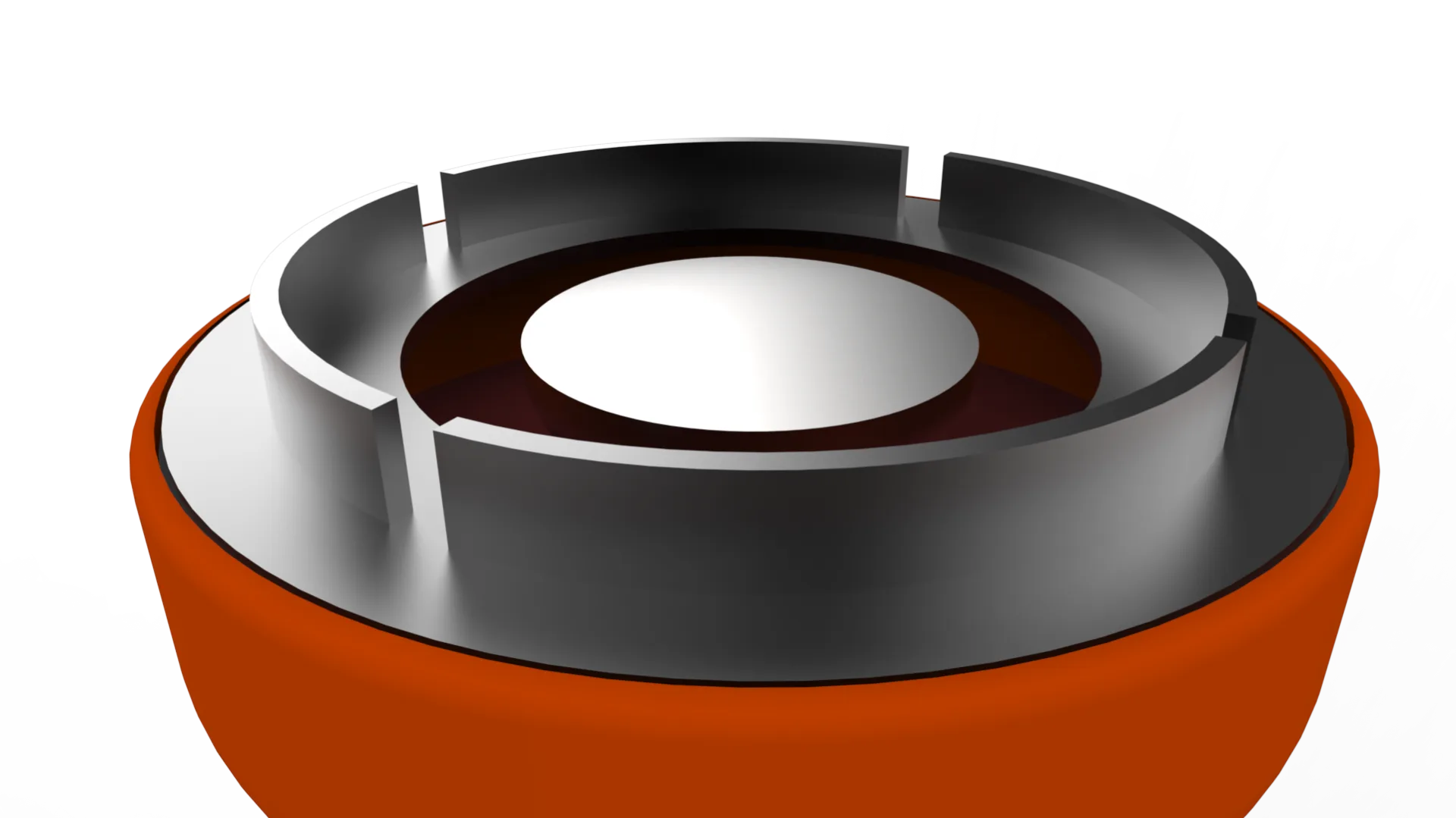
A foldable windshield rings the burner head to keep the flame steady.
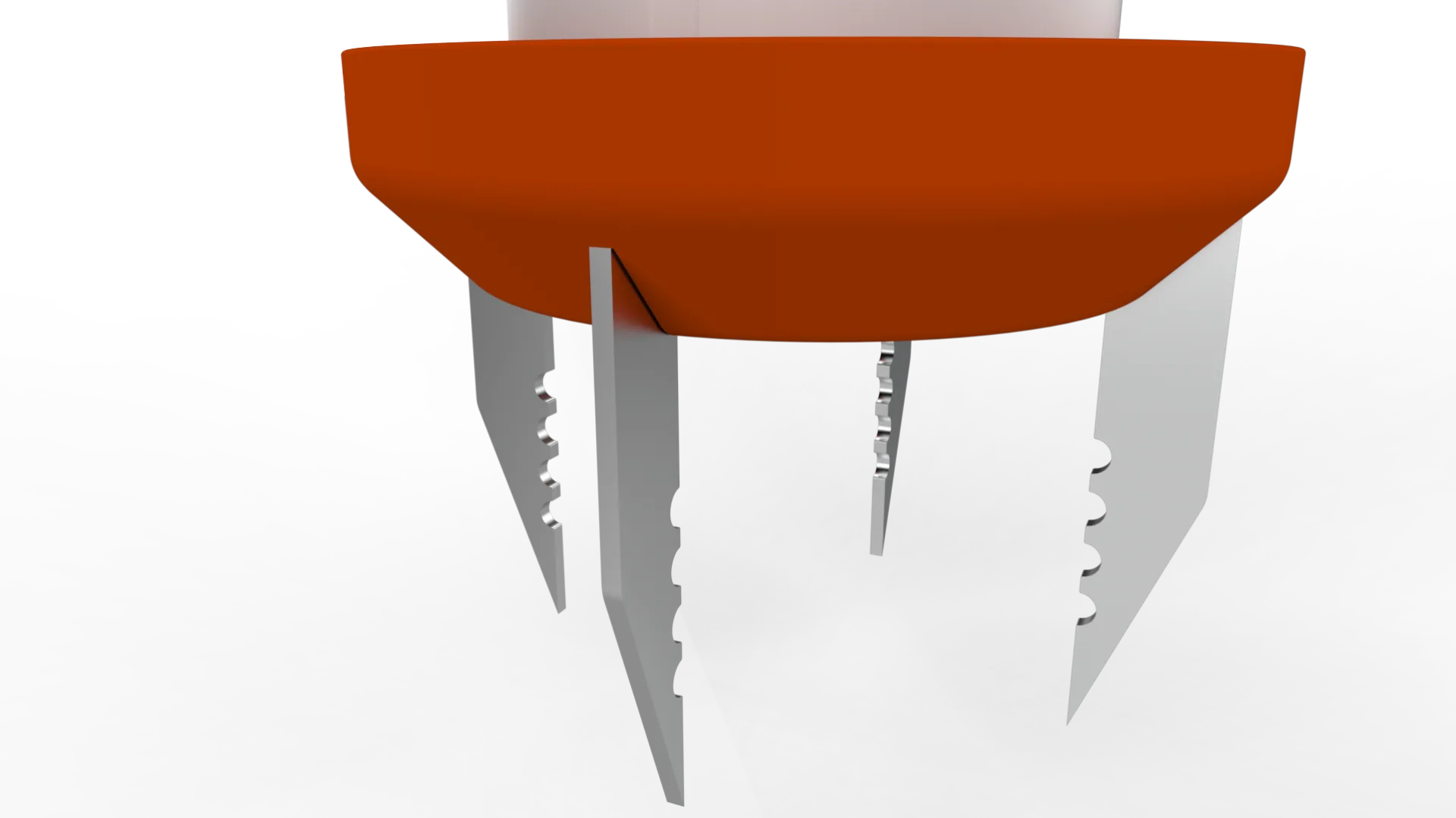
Serrated spikes bite into soil so the stove stays upright on uneven ground.
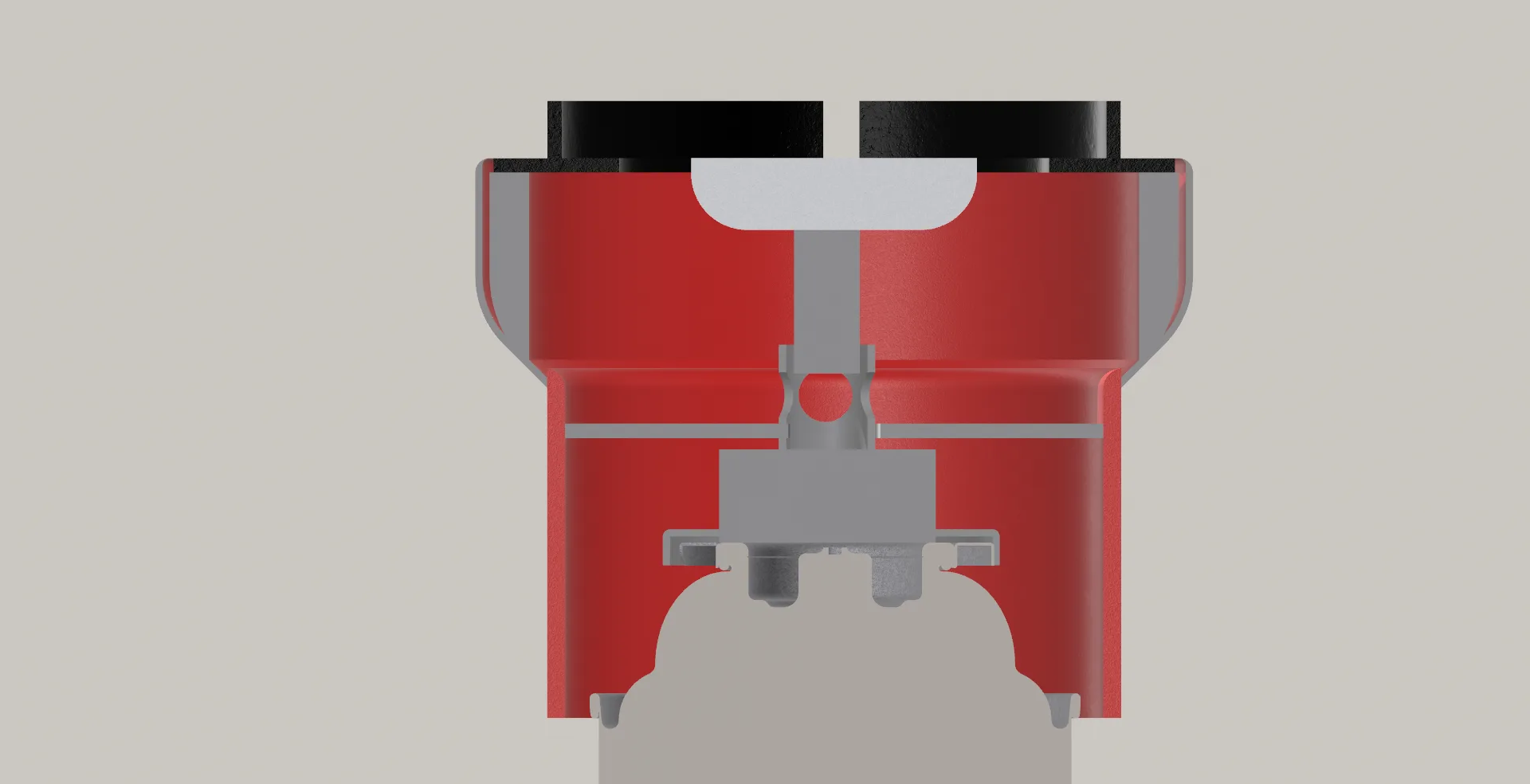
A section through the stove head shows how the internal parts stack up.
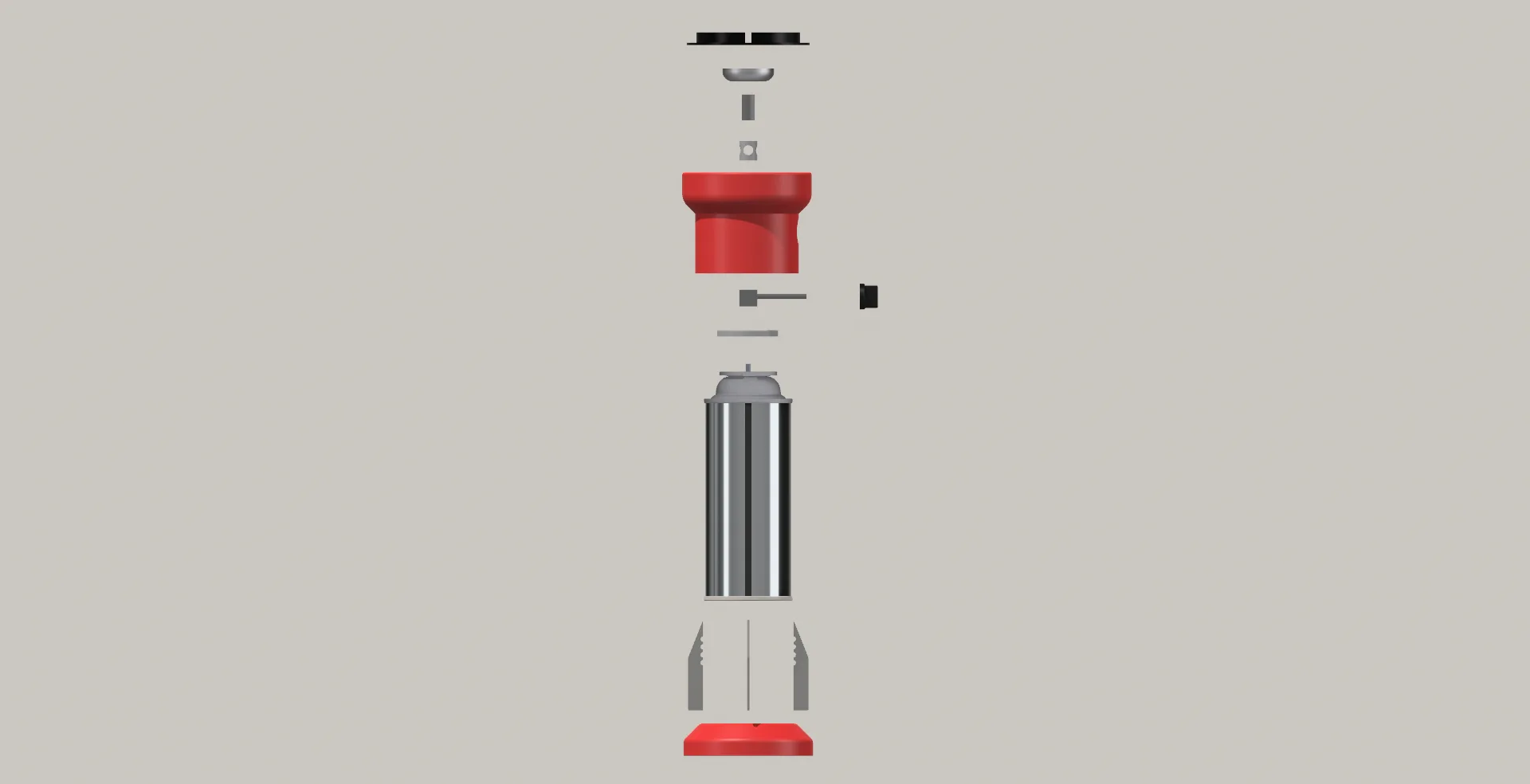
Resolved through CAD and technical drawings, and sized around a standard 220 ml / 250 g butane can.
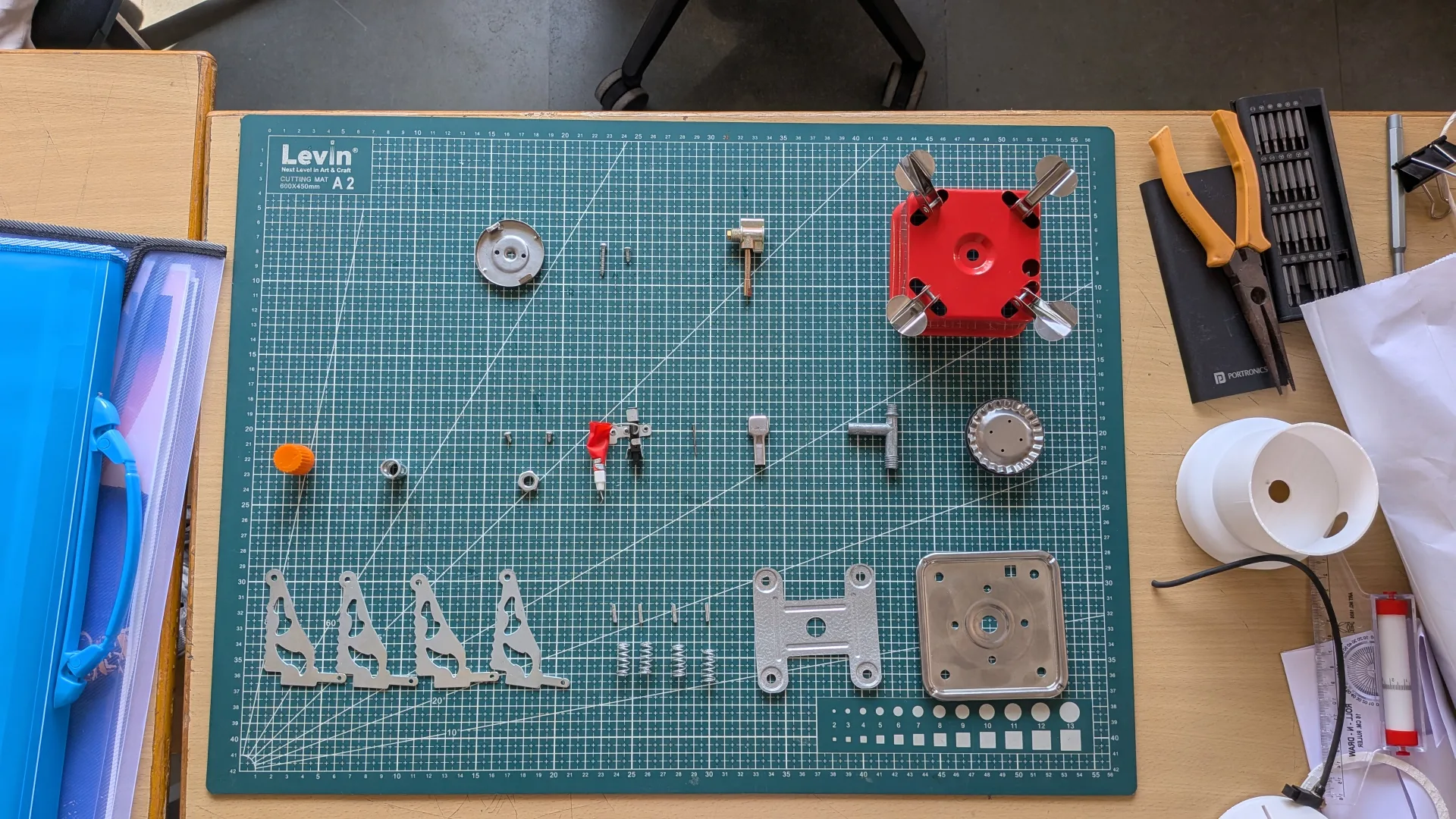
A pressure-sensitive shut-off that ejects the canister, plus a flame failure device.
Secondary combustion and an integrated heat exchanger to get the most heat out of the fuel.
Takes a 220 ml / 250 g butane can, with its own regulator and burner.
Drag the rail sideways, or move over a card to see the project.